
504-358-2273
For A Free Consultation
504-358-2273
For A Free Consultation
Navigating the Criminal District Court in New Orleans: A Comprehensive Guide
The Criminal District Court in New Orleans serves as a pivotal institution within Louisiana’s judicial system, adjudicating criminal cases that range from misdemeanors to serious felonies. As a cornerstone of justice in the vibrant city of New Orleans, the Criminal District Court plays a crucial role in upholding the rule of law, protecting public safety, and ensuring fair trials for defendants. In this comprehensive guide, we delve into the structure, functions, procedures, and significance of the Criminal District Court in New Orleans, shedding light on its operations and the impact it has on the local community. Court number: (504) 658-9100
Introduction to the Criminal District Court in New Orleans
2700 Tulane Ave New Orleans, LA 70119
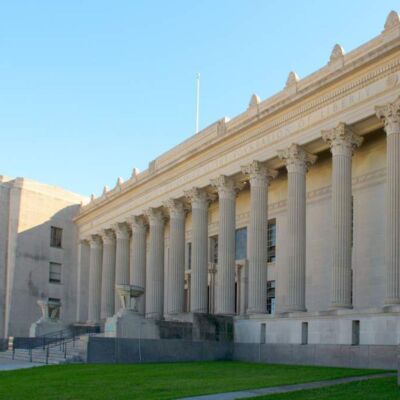
The Criminal District Court in New Orleans is part of the Orleans Parish judicial system and operates under the jurisdiction of the State of Louisiana. It is responsible for handling criminal cases that occur within the city limits of New Orleans, ranging from minor infractions to serious criminal offenses punishable by imprisonment. The court’s mandate includes:
– **Adjudicating Criminal Cases:** Hearing trials, sentencing convicted individuals, and overseeing probation and parole matters.
– **Protecting Defendants’ Rights:** Ensuring due process, fair trials, and adherence to constitutional rights for defendants.
– **Upholding Public Safety:** Holding individuals accountable for criminal behavior and promoting community safety through effective adjudication.
Location of the Criminal District Court
The Criminal District Court is centrally located in New Orleans at:
Address: 2700 Tulane Avenue New Orleans, LA 70119
This prominent location at Tulane Avenue provides convenient access for residents, attorneys, and stakeholders navigating the city’s legal landscape. Situated near the intersection with Broad Street, the court is easily accessible by public transportation and offers ample parking facilities for visitors.
Contact Information
For inquiries, scheduling appointments, or obtaining procedural information, the Criminal District Court in New Orleans can be reached via the following contact details:
- Phone Number: (504) 658-9000
- Fax Number: (504) 658-9020
Court Operations and Services
The Criminal District Court in New Orleans operates under the guidance of elected judges who preside over various divisions, including felony, misdemeanor, and specialized courts such as drug court and mental health court. The court’s Clerk of Court oversees administrative functions, maintains case records, and facilitates courtroom proceedings to ensure efficient and transparent judicial operations.
Accessing Court Services
Visitors to the Criminal District Court can access a range of services, including:
- Filing legal documents
- Obtaining copies of court records
- Attending hearings and trials
- Participating in alternative dispute resolution programs
Structure of the Criminal District Court
1. **Judges**
The Criminal District Court in New Orleans is presided over by multiple judges who are elected to serve specific divisions within the court. Judges are responsible for overseeing trials, ruling on evidentiary matters, sentencing convicted defendants, and ensuring that legal proceedings adhere to established laws and procedures.
2. **Divisions and Departments**
The Criminal District Court is organized into specialized divisions or departments to handle different types of criminal cases. These divisions may include:
– **Felony Division:** Adjudicates serious criminal offenses such as murder, robbery, and drug trafficking.
– **Misdemeanor Division:** Handles less serious criminal offenses, typically punishable by fines or short-term imprisonment.
– **Drug Court:** Offers specialized programs for defendants with substance abuse issues, focusing on rehabilitation and treatment.
– **Domestic Violence Court:** Addresses cases involving allegations of domestic abuse and provides supportive services to victims and families.
3. **Support Staff**
The Criminal District Court employs a range of support staff, including court clerks, bailiffs, probation officers, and legal assistants. These professionals play integral roles in facilitating courtroom proceedings, maintaining case records, managing jury selection, and providing administrative support to judges and attorneys.

Functions and Responsibilities of the Criminal District Court
1. **Arraignment and Bail Hearings**
Upon arrest, individuals accused of committing crimes appear before the Criminal District Court for arraignment, where they are formally informed of the charges against them. Bail hearings may also be conducted to determine whether defendants should be released from custody pending trial, based on factors such as flight risk and public safety concerns.
2. **Pre-trial Proceedings**
Prior to trial, the Criminal District Court conducts pre-trial conferences and motions hearings to address legal issues, resolve procedural matters, and prepare cases for trial. Attorneys for the prosecution and defense present arguments, file motions, and negotiate plea agreements when appropriate.
Specialized Programs and Initiatives
1. **Drug Court**
The Criminal District Court’s Drug Court program offers eligible defendants with substance abuse issues an alternative to traditional incarceration. Participants undergo intensive supervision, attend rehabilitation programs, and adhere to court-ordered treatment plans designed to promote recovery and reduce recidivism.
Understanding the Drug Court Program at the Criminal District Court in New Orleans
The Drug Court program at the Criminal District Court in New Orleans, situated at Tulane and Broad Avenue, represents a progressive approach to addressing substance abuse within the criminal justice system. Designed to provide alternatives to traditional incarceration, this program offers eligible defendants an opportunity to rehabilitate and rebuild their lives through structured treatment, supervision, and judicial oversight.
Goals and Objectives of the Drug Court Program
The primary goal of the Drug Court program is to break the cycle of substance abuse and criminal behavior by addressing the underlying issues that contribute to addiction. By combining judicial supervision with comprehensive treatment services, the program aims to:
1. **Promote Recovery:** Encourage participants to achieve and maintain sobriety through evidence-based treatment programs tailored to individual needs.
2. **Reduce Recidivism:** Decrease repeat offenses by addressing the root causes of criminal behavior, such as substance abuse and addiction.
3. **Support Rehabilitation:** Provide support services, including counseling, vocational training, and community resources, to facilitate successful reintegration into society.
### Program Structure and Components
1. **Screening and Eligibility**
Defendants charged with non-violent drug offenses may be eligible for participation in the Drug Court program following a thorough screening process. Eligibility criteria typically include a willingness to participate in treatment, compliance with program requirements, and a commitment to sobriety.
2. **Treatment and Supervision**
Upon acceptance into the program, participants undergo comprehensive substance abuse treatment facilitated by licensed counselors and healthcare professionals. Treatment may include individual therapy, group counseling, drug testing, and medication-assisted treatment (MAT) as clinically appropriate.
3. **Judicial Oversight**
Participants appear regularly before a designated Drug Court judge who monitors their progress, reviews compliance with program requirements, and provides guidance and encouragement throughout the rehabilitation process. Judicial oversight ensures accountability and reinforces the commitment to sobriety and behavioral change.
4. **Support Services**
The Drug Court program collaborates with community-based organizations and agencies to offer participants access to supportive services, such as job readiness programs, housing assistance, educational opportunities, and mental health services. These resources are instrumental in addressing the complex needs of individuals recovering from substance abuse.
Benefits of Participating in the Drug Court Program
1. **Alternative to Incarceration**
Participation in the Drug Court program offers defendants an alternative to incarceration, allowing them to avoid lengthy prison sentences while addressing the root causes of their criminal behavior.
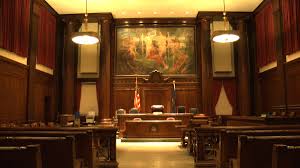
2. **Personalized Treatment**
Each participant receives personalized treatment plans tailored to their specific needs, promoting sustained recovery and reducing the likelihood of relapse.
3. **Reintegration into Society**
By supporting participants in achieving sobriety and acquiring essential life skills, the program facilitates successful reintegration into their families and communities as productive, law-abiding citizens.
Success and Impact of the Drug Court Program
The Drug Court program at the Criminal District Court in New Orleans has demonstrated positive outcomes in promoting recovery and reducing recidivism rates among participants. Success is measured not only by sobriety and compliance with program requirements but also by improvements in participants’ overall well-being, stability, and quality of life.
### Conclusion
The Drug Court program at the Criminal District Court in New Orleans represents a compassionate and effective approach to addressing substance abuse within the criminal justice system. By emphasizing treatment over punishment and providing comprehensive support services, the program empowers individuals to overcome addiction, break the cycle of criminal behavior, and achieve long-term recovery.
For defendants facing non-violent drug charges in New Orleans, participation in the Drug Court program offers a pathway to redemption and a second chance at a positive future. Contact Weiser Law Firm to learn more about how our experienced attorneys can assist you or your loved one in navigating the Drug Court process and advocating for your best interests in the pursuit of rehabilitation and legal resolution.
2. **Mental Health Court**
Mental Health Court provides support and treatment options for defendants diagnosed with mental illnesses who come into contact with the criminal justice system. The court collaborates with mental health professionals and community resources to address underlying mental health issues and promote long-term stability.

Inside the Operations of the Criminal District Court in New Orleans: Judges, Sections, and Clerk of Court
The Criminal District Court in New Orleans is a cornerstone of the city’s judicial system, responsible for adjudicating criminal cases and upholding justice within Orleans Parish. Central to its operations are the judges who preside over various sections of the court and the Clerk of Court who plays a crucial administrative role. Understanding the roles and responsibilities of these key figures provides insight into how the court functions and serves the community.
### Judges of the Criminal District Court
The Criminal District Court in New Orleans is comprised of multiple judges who oversee different divisions or sections within the court. Each judge is elected to serve a specific term and division, bringing unique expertise and judicial discretion to their respective roles. Key responsibilities of judges include:
1. **Case Adjudication:** Presiding over criminal trials, hearings, and motions to ensure fair and impartial administration of justice.
2. **Legal Interpretation:** Applying Louisiana state laws, procedural rules, and constitutional principles to resolve legal disputes and render decisions.
3. **Sentencing:** Imposing sentences on convicted defendants based on statutory guidelines, mitigating factors, and the severity of the offense.
### Sections of the Criminal District Court
1. **Felony Section**
Judges in the felony section of the Criminal District Court hear cases involving serious criminal offenses, such as murder, armed robbery, and drug trafficking. These cases typically carry more severe penalties and require rigorous adjudication to safeguard due process and defendants’ rights.
2. **Misdemeanor Section**
The misdemeanor section handles less serious criminal offenses, including minor drug possession, petty theft, and simple assault. Judges in this section focus on resolving cases efficiently while promoting rehabilitation and accountability for defendants.
3. **Specialized Courts**
In addition to felony and misdemeanor sections, the Criminal District Court may include specialized courts dedicated to specific types of cases, such as domestic violence, drug court, mental health court, and juvenile justice. These specialized courts provide tailored interventions and support services to address the unique needs of vulnerable populations within the criminal justice system.
Clerk of Court
The Clerk of Court serves as the chief administrative officer of the Criminal District Court, responsible for managing court records, facilitating courtroom proceedings, and providing essential support to judges, attorneys, and litigants. Key responsibilities of the Clerk of Court include:
1. **Case Management:** Maintaining accurate records of criminal cases, filings, and court orders to ensure transparency and compliance with legal requirements.
2. **Courtroom Operations:** Coordinating jury selection, scheduling hearings, and managing court dockets to promote efficiency in judicial proceedings.
3. **Public Access:** Facilitating public access to court records, legal documents, and judicial decisions in accordance with state laws and court rules.
4. **Customer Service:** Assisting individuals with inquiries, filing procedures, and administrative matters related to their interactions with the court.
### Collaboration and Community Impact
Judges and the Clerk of Court collaborate closely to uphold the integrity of the judicial process, promote public trust in the legal system, and safeguard the rights of all parties involved in criminal proceedings. Their collective efforts contribute to the fair and equitable administration of justice within New Orleans and serve as a testament to the court’s commitment to professionalism, integrity, and accountability.
The Criminal District Court in New Orleans operates under the guidance and leadership of dedicated judges who preside over felony, misdemeanor, and specialized sections, ensuring the effective adjudication of criminal cases. Supported by the Clerk of Court, who manages administrative functions and maintains court records, these judicial officers play integral roles in upholding the rule of law and protecting the rights of individuals within Orleans Parish.
For individuals navigating the criminal justice system in New Orleans, understanding the roles of judges and the Clerk of Court can provide clarity and insight into courtroom procedures, legal proceedings, and the pursuit of justice. Contact Weiser Law Firm for experienced legal representation and guidance in criminal defense matters, ensuring your rights are protected and your voice is heard throughout the legal process.
Technology and Innovation in the Criminal District Court
The Criminal District Court in New Orleans embraces technological advancements to enhance efficiency, transparency, and accessibility in judicial proceedings. Initiatives such as electronic filing systems, digital evidence presentation, and virtual court hearings have modernized court operations and improved service delivery to stakeholders, including attorneys, litigants, and the public.
### Community Impact and Outreach Efforts
Beyond its judicial functions, the Criminal District Court actively engages with the community through outreach programs, educational initiatives, and partnerships with local organizations. These efforts aim to promote public awareness of legal rights, enhance trust in the judicial system, and foster collaboration in addressing systemic issues impacting the city of New Orleans.
### Challenges and Reform Efforts
Like many urban court systems, the Criminal District Court in New Orleans faces challenges related to case backlog, resource allocation, and disparities in access to justice. Ongoing reform efforts focus on improving case management practices, expanding diversion programs, and addressing racial and socioeconomic disparities within the criminal justice system.
Conclusion: Navigating Justice in New Orleans
The Criminal District Court in New Orleans stands as a cornerstone of justice, dedicated to upholding the rule of law, safeguarding constitutional rights, and promoting community safety through fair and equitable judicial proceedings. As a vital component of Louisiana’s judicial system, the court plays a pivotal role in adjudicating criminal cases, protecting victims’ rights, and offering rehabilitative opportunities to defendants.
For individuals involved in criminal matters in New Orleans, understanding the structure, functions, and procedures of the Criminal District Court is essential. Whether navigating arraignment, preparing for trial, or seeking post-conviction relief, knowledgeable legal representation can make a significant difference in achieving favorable outcomes.
Contact Weiser Law Firm today to learn more about our expertise in criminal defense and how our experienced attorneys can provide effective representation in the Criminal District Court of New Orleans. Our commitment to client advocacy, legal excellence, and justice ensures that your rights are protected and your voice is heard in the pursuit of a fair and just resolution.
—
This comprehensive guide provides a detailed overview of the Criminal District Court in New Orleans, highlighting its structure, functions, procedures, and community impact within Louisiana’s judicial system.