Divorce Lawyer in New Orleans | Injury Attorney Family Law

Slip and fall accidents are among the most common incidents that occur in grocery stores. Wet floors, spilled liquids, poorly maintained aisles, and lack of warning signs can quickly turn a routine shopping trip into a painful and costly accident. When these incidents occur due to unsafe store conditions, they may be classified as slip and fall grocery store negligence.
Understanding your rights and knowing what actions to take after an accident can make a significant difference in protecting your health and legal rights. This comprehensive guide explains how slip and fall grocery store negligence occurs, who may be liable, what evidence is important, and how victims can seek compensation.
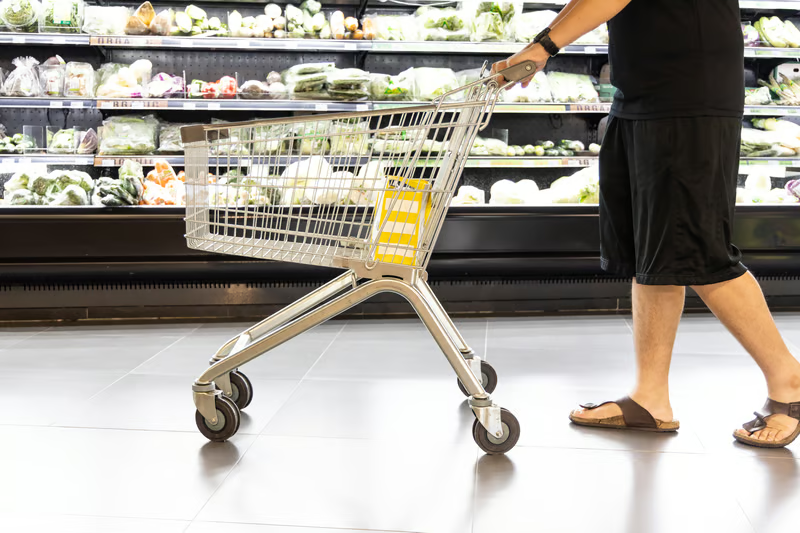
What Is Slip and Fall Grocery Store Negligence?
Slip and fall grocery store negligence occurs when a grocery store fails to maintain safe conditions for customers, resulting in someone slipping, tripping, or falling and suffering injuries. Grocery stores have a legal responsibility to provide a reasonably safe environment for shoppers.
When store owners ignore hazards such as spills, damaged flooring, or poor lighting, accidents can occur. In many cases, slip and fall grocery store negligence happens because employees fail to clean up spills promptly or do not place warning signs in hazardous areas.
These incidents fall under premises liability law, which requires property owners to maintain safe conditions for visitors. When a store neglects these duties and a shopper gets hurt, the victim may have grounds for a claim based on slip and fall grocery store negligence.
Common Causes of Slip and Fall Grocery Store Negligence
There are several common hazards that lead to slip and fall grocery store negligence cases. Grocery stores are busy environments with many customers, products, and employees moving around constantly. Without proper maintenance, dangerous situations can arise quickly.
Wet Floors
One of the most common causes of slip and fall grocery store negligence is wet floors. Spilled drinks, leaking refrigerators, melting ice, or recently mopped floors can create slippery surfaces.
If store employees fail to clean spills quickly or do not place caution signs, customers may unknowingly step into a dangerous situation.
Food or Product Spills
Items like grapes, milk, cooking oil, or other groceries often fall onto the floor. If these spills remain unattended, they become a serious hazard and may lead to slip and fall grocery store negligence claims.
Uneven Flooring
Broken tiles, cracked concrete, or uneven flooring surfaces can cause shoppers to trip and fall. Proper maintenance is essential to prevent injuries caused by slip and fall grocery store negligence.
Poor Lighting
Dim or inadequate lighting in aisles, parking lots, or entrances makes it difficult for customers to see hazards. Poor visibility can contribute significantly to slip and fall grocery store negligence incidents.
Obstructed Walkways
Boxes, carts, or stocking equipment left in aisles can cause shoppers to trip. Grocery stores must keep pathways clear to avoid slip and fall grocery store negligence.
Injuries Caused by Slip and Fall Grocery Store Negligence
A slip and fall accident can lead to serious injuries that require medical treatment and long recovery periods. Victims of slip and fall grocery store negligence may suffer from various physical injuries.
Head Injuries
A fall can cause concussions or traumatic brain injuries. These injuries may result in long-term symptoms like headaches, dizziness, and memory problems.
Broken Bones
Fractures in the wrist, hip, arm, or ankle are common after a fall caused by slip and fall grocery store negligence.
Spinal Cord Injuries
Back and spinal injuries can lead to chronic pain or even permanent disability.
Soft Tissue Injuries
Sprains, strains, and torn ligaments are also common results of slip and fall grocery store negligence.
Because these injuries may have long-lasting effects, victims often face medical bills, lost wages, and emotional distress.
Legal Responsibility in Slip and Fall Grocery Store Negligence
Grocery store owners have a legal duty to maintain safe conditions. If they fail to correct dangerous situations or warn customers about hazards, they may be held responsible for slip and fall grocery store negligence.
To prove negligence, several factors must be established.
Duty of Care
Store owners owe customers a duty to maintain safe premises.
Breach of Duty
A breach occurs when the store fails to address hazards or warn shoppers.
Causation
The unsafe condition must directly cause the injury.
Damages
The victim must suffer measurable damages such as medical expenses or lost income.
If all these elements are present, a victim may have a valid slip and fall grocery store negligence claim.
Steps to Take After a Slip and Fall Accident
If you experience an accident due to slip and fall grocery store negligence, taking the right steps immediately can help protect your rights.
Seek Medical Attention
Your health should be the first priority. Even if injuries seem minor, it is important to seek medical evaluation after a fall.
Report the Incident
Notify store management immediately. Filing an incident report creates documentation of the accident related to slip and fall grocery store negligence.
Document the Scene
Take photographs of the hazard, surrounding area, and any visible injuries.
Collect Witness Information
Witness statements can help support your claim of slip and fall grocery store negligence.
Preserve Evidence
Keep medical records, receipts, and any communication related to the accident.
How Grocery Stores Can Prevent Negligence
Preventing slip and fall grocery store negligence requires consistent safety practices. Responsible grocery stores implement measures to keep customers safe.
Regular Inspections
Routine checks of aisles and entrances help identify hazards before accidents occur.
Immediate Spill Cleanup
Employees should clean spills quickly and place warning signs to prevent slip and fall grocery store negligence.
Proper Employee Training
Training staff on safety procedures can significantly reduce accidents.
Adequate Lighting
Good lighting ensures customers can see hazards clearly.
Floor Maintenance
Repairing broken flooring helps eliminate common causes of slip and fall grocery store negligence.
Compensation in Slip and Fall Grocery Store Negligence Cases
Victims of slip and fall grocery store negligence may be entitled to compensation depending on the circumstances of the accident.
Possible compensation may include:
Medical expenses
Physical therapy costs
Lost wages
Future medical treatment
Pain and suffering
Emotional distress
Compensation helps victims recover financially after injuries caused by slip and fall grocery store negligence.
Importance of Legal Guidance
Navigating a legal claim involving slip and fall grocery store negligence can be complicated. Insurance companies may attempt to deny or minimize claims.
A qualified personal injury attorney can evaluate the case, gather evidence, and negotiate with insurers.
Legal professionals understand how to prove slip and fall grocery store negligence and can help victims pursue fair compensation.
The Role of Warning Signs in Preventing Accidents
Warning signs are a simple yet powerful tool for preventing accidents caused by slip and fall grocery store negligence. Bright yellow caution signs are commonly used to alert shoppers about wet floors or temporary hazards.
These signs provide visual warnings so customers can avoid dangerous areas. When warning signs are placed correctly, they demonstrate that the store is taking reasonable steps to protect shoppers.
However, if a grocery store fails to place warning signs near wet floors or hazardous areas, it may contribute to slip and fall grocery store negligence. Even if employees plan to clean the hazard quickly, failing to warn customers can still create a dangerous situation.
Proper placement of warning signs is just as important as having them available. Signs should be positioned where customers can easily see them before reaching the hazardous area. Clear warnings reduce the likelihood of accidents and help prevent slip and fall grocery store negligence claims.
High-Risk Areas in Grocery Stores
Certain sections of grocery stores are more likely to experience accidents related to slip and fall grocery store negligence. Understanding these high-risk areas can help both store owners and shoppers remain cautious.
Produce Section
The produce section is one of the most common places for slip-and-fall accidents. Fruits and vegetables can easily fall to the floor, creating slippery conditions. Water used to keep produce fresh may also drip onto the floor.
If employees fail to monitor these hazards, it can result in slip and fall grocery store negligence incidents.
Refrigerated Areas
Freezer sections and refrigerated displays often produce condensation or leaking water. When this moisture accumulates on the floor, it becomes extremely slippery.
Stores must regularly inspect these areas to prevent accidents caused by slip and fall grocery store negligence.
Store Entrances
Entrances are another high-risk location, especially during rainy or snowy weather. Water tracked in by customers can quickly create slippery floors.
Mats and warning signs should be used to reduce hazards and avoid slip and fall grocery store negligence.
Checkout Areas
Customers frequently drop items while waiting in checkout lines. Spilled beverages or broken containers can create dangerous conditions if not cleaned immediately.
Failing to address these hazards may contribute to slip and fall grocery store negligence.
Long-Term Effects of Slip and Fall Injuries
Many people underestimate the seriousness of accidents caused by slip and fall grocery store negligence. While some injuries may appear minor initially, they can lead to long-term complications.
For example, back injuries caused by a fall may lead to chronic pain that lasts for months or even years. Victims may require ongoing medical treatment, physical therapy, or rehabilitation.
Head injuries are another serious concern in slip and fall grocery store negligence cases. Even a mild concussion can cause lasting symptoms such as headaches, dizziness, and difficulty concentrating.
Older adults are particularly vulnerable to severe injuries. A hip fracture caused by slip and fall grocery store negligence may require surgery and extended recovery time.
Because of these long-term effects, it is essential for victims to seek medical attention immediately and document their injuries carefully.
Evidence That Can Strengthen a Negligence Claim
Strong evidence plays a crucial role in proving slip and fall grocery store negligence. Without proper documentation, it may be difficult to demonstrate that the store was responsible for the hazardous condition.
Several types of evidence can support a negligence claim.
Surveillance Footage
Many grocery stores have security cameras installed throughout the store. These cameras may capture the moment when a hazard appeared and how long it remained before the accident occurred.
Video evidence can clearly demonstrate slip and fall grocery store negligence if employees ignored the hazard.
Incident Reports
After an accident, store management typically prepares an incident report. This report documents the details of the event and can serve as important evidence in a slip and fall grocery store negligence case.
Photographs
Photos taken immediately after the accident can show the hazardous condition that caused the fall. Images of spills, damaged flooring, or missing warning signs can strengthen claims of slip and fall grocery store negligence.
Witness Statements
Witnesses who saw the accident or noticed the hazard beforehand can provide valuable testimony. Their statements may help confirm the presence of unsafe conditions related to slip and fall grocery store negligence.
How Insurance Companies Handle Slip and Fall Claims
When a claim involves slip and fall grocery store negligence, insurance companies often become involved. Most grocery stores carry liability insurance to cover accidents that occur on their premises.
However, insurance companies may attempt to minimize payouts or deny claims entirely. They may argue that the victim was partially responsible for the accident or that the store was unaware of the hazard.
For this reason, victims of slip and fall grocery store negligence should carefully document all evidence and avoid making statements that could be misinterpreted.
Keeping detailed records of medical treatment, expenses, and lost wages can help demonstrate the financial impact of injuries caused by slip and fall grocery store negligence.
Safety Tips for Grocery Store Shoppers
While stores have a responsibility to maintain safe conditions, shoppers can also take precautions to reduce the risk of accidents related to slip and fall grocery store negligence.
Customers should always pay attention to warning signs and avoid walking through areas that appear wet or hazardous. Wearing shoes with good traction can also help prevent slipping.
Shoppers should remain aware of their surroundings and watch for spilled items or uneven flooring. Reporting hazards to store employees can help prevent accidents and reduce incidents of slip and fall grocery store negligence.
Although these precautions are helpful, they do not replace the store’s responsibility to maintain a safe environment.
Why Accountability Matters
Holding grocery stores accountable for slip and fall grocery store negligence is important for public safety. When businesses take responsibility for maintaining safe premises, they are more likely to implement better safety procedures.
Legal claims often encourage companies to improve their safety practices, train employees more effectively, and conduct regular inspections. These improvements help prevent future accidents and protect other shoppers.
By addressing cases of slip and fall grocery store negligence, victims play an important role in promoting safer environments for everyone.
Conclusion
A simple grocery shopping trip should never result in a painful injury. Unfortunately, unsafe conditions can lead to serious accidents caused by slip and fall grocery store negligence. Understanding how these incidents occur and knowing your rights can help protect you and others.
When grocery stores fail to maintain safe premises, customers may suffer preventable injuries. Holding businesses accountable for slip and fall grocery store negligence encourages safer environments and protects shoppers.
If you or a loved one experiences an accident caused by unsafe store conditions, documenting the incident and seeking legal guidance can help ensure your rights are protected.