Divorce Lawyer in New Orleans | Injury Attorney Family Law

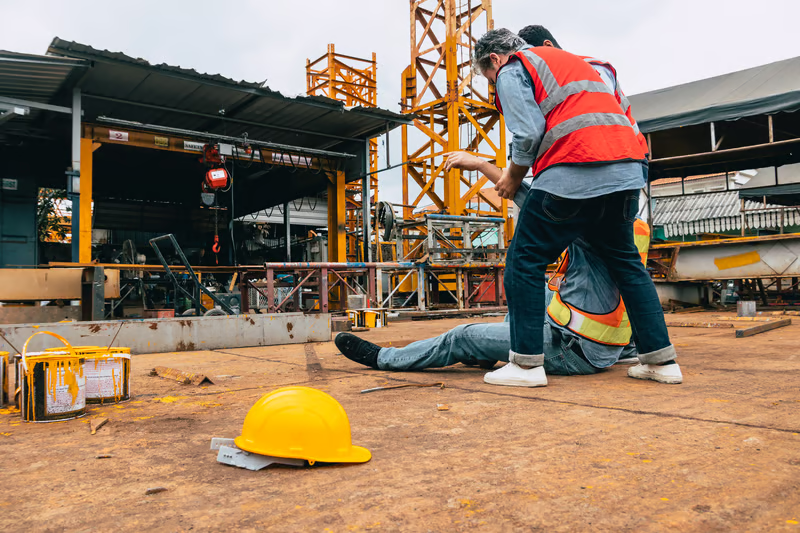 Construction sites are among the most dangerous workplaces in the world. Heavy machinery, elevated structures, electrical systems, and hazardous materials create an environment where accidents can happen in seconds. When someone is injured on a job site, determining responsibility becomes a critical issue. This is where construction site injury liability comes into play.
Understanding construction site injury liability is essential for workers, contractors, property owners, and even bystanders. When an accident occurs, the injured party often faces medical bills, lost wages, and emotional stress. Knowing who is legally responsible can make a significant difference in receiving compensation and ensuring workplace safety improvements.
This comprehensive guide explains how construction site injury liability works, who may be responsible for accidents, and what steps injured individuals should take to protect their rights.
What Construction Site Injury Liability Means
Construction site injury liability refers to the legal responsibility for injuries that occur on a construction site. When an accident happens, investigators must determine who was responsible for maintaining safety and whether negligence contributed to the injury.
Construction projects involve multiple parties working together. Because of this complexity, construction site injury liability can fall on several different individuals or organizations depending on the circumstances of the accident.
For example, liability may involve:
Contractors
Subcontractors
Property owners
Equipment manufacturers
Construction companies
Site supervisors
Each of these parties has a duty to maintain a safe working environment. If they fail to meet safety standards, construction site injury liability may arise.
Understanding this legal concept helps ensure injured workers receive fair compensation while encouraging companies to maintain proper safety practices.
Common Causes of Construction Site Injuries
Construction sites contain numerous hazards that can lead to serious accidents. When these hazards are not properly controlled, construction site injury liability may apply to the party responsible for safety failures.
Some of the most common causes of injuries include:
Falls From Heights
Falls are the leading cause of construction injuries. Workers often perform tasks on scaffolding, ladders, roofs, or elevated platforms. If proper fall protection is missing, construction site injury liability may fall on the employer or contractor responsible for safety compliance.
Falling Objects
Tools, building materials, or debris can fall from above and strike workers below. Proper safety measures like helmets, guardrails, and netting help prevent these incidents. If such measures are missing, construction site injury liability may be established.
Equipment Accidents
Heavy machinery such as cranes, forklifts, and excavators can cause severe injuries if used improperly. When equipment malfunctions or operators are inadequately trained, construction site injury liability may involve employers, contractors, or manufacturers.
Electrical Hazards
Construction sites frequently involve exposed wiring, power tools, and electrical panels. Electrocution accidents are often linked to poor safety practices, making construction site injury liability an important legal factor in determining fault.
Slip and Trip Hazards
Loose cables, debris, and uneven surfaces can cause workers to slip or trip. Maintaining clean and organized workspaces is a basic safety requirement. Failure to do so may result in construction site injury liability claims.
Each of these risks demonstrates why strict safety regulations are necessary in the construction industry.
Who Can Be Responsible for Construction Site Injury Liability
Determining construction site injury liability often requires examining the responsibilities of everyone involved in the project. Liability does not always fall on a single party.
Several parties may share responsibility for maintaining safety standards.
Construction Companies
Construction companies are usually responsible for overall safety management on the job site. They must provide proper training, protective equipment, and safety procedures for workers.
If a company fails to implement safety policies or ignores known hazards, construction site injury liability may fall directly on the employer.
Employers are also responsible for ensuring workers are properly trained before using machinery or performing dangerous tasks.
Contractors and Subcontractors
Construction projects often involve multiple subcontractors performing specialized tasks. Each contractor is responsible for maintaining safe practices within their work area.
If a subcontractor creates unsafe conditions that cause an injury, construction site injury liability may apply to that subcontractor.
For example, improperly installed scaffolding or unsafe wiring could lead to serious accidents.
Property Owners
In some cases, property owners may also face construction site injury liability. Owners must ensure their property does not present hidden dangers that could harm workers or visitors.
If the owner knew about a dangerous condition but failed to address it, they may share responsibility for injuries that occur.
Equipment Manufacturers
Sometimes accidents occur due to defective machinery or faulty equipment. When a product fails because of a manufacturing defect or poor design, construction site injury liability may involve the equipment manufacturer.
This type of claim often falls under product liability law.
Site Supervisors and Safety Managers
Supervisors are responsible for enforcing safety rules and monitoring daily operations. If they fail to address dangerous conditions, construction site injury liability may arise due to negligence.
Their role is critical in preventing accidents and ensuring compliance with safety regulations.
Legal Principles Behind Construction Site Injury Liability
Several legal principles help determine construction site injury liability after an accident occurs.
Understanding these principles helps explain how courts evaluate construction injury cases.
Negligence
Negligence is one of the most common legal foundations for construction site injury liability. Negligence occurs when someone fails to exercise reasonable care, leading to harm.
For example, failing to install safety barriers around dangerous areas could create construction site injury liability if a worker falls.
Duty of Care
Employers and contractors have a legal duty to provide safe working conditions. When this duty is breached, construction site injury liability may arise.
Duty of care includes providing:
Safety training
Protective equipment
Proper supervision
Hazard-free workspaces
Failure to meet these obligations can lead to serious legal consequences.
Workers’ Compensation
In many situations, injured workers receive compensation through workers’ compensation insurance. However, this does not always eliminate construction site injury liability claims.
If a third party contributed to the accident, additional legal action may still be possible.
For example, if faulty equipment caused the injury, the manufacturer may still face construction site injury liability.
Steps to Take After a Construction Site Injury
Knowing what to do after an accident can protect your health and legal rights. These steps can also help establish construction site injury liability during investigations.
Seek Immediate Medical Attention
The first priority after any accident is medical care. Even minor injuries should be evaluated by a healthcare professional.
Medical records can also serve as critical evidence when proving construction site injury liability.
Report the Incident
Workers should report accidents to supervisors immediately. Proper documentation ensures that the event is officially recorded.
Accident reports often play a significant role in determining construction site injury liability.
Gather Evidence
Photos, witness statements, and site conditions can help establish what happened. Collecting evidence early strengthens a case involving construction site injury liability.
Important evidence may include:
Safety equipment records
Training documentation
Machinery maintenance logs
Incident reports
Consult a Legal Professional
Construction injury cases can be complex. An experienced attorney can evaluate the situation and determine potential construction site injury liability.
Legal professionals help victims pursue compensation and navigate insurance claims.
Compensation in Construction Injury Cases
When construction site injury liability is established, injured individuals may be entitled to compensation for various losses.
These damages may include:
Medical Expenses
Treatment costs, hospital stays, surgeries, rehabilitation, and medication are often included in claims involving construction site injury liability.
Lost Wages
Serious injuries may prevent workers from returning to their jobs. Compensation may cover income lost during recovery.
Pain and Suffering
Emotional distress and physical pain are often considered when calculating damages in construction site injury liability cases.
Long-Term Disability
Permanent injuries may require ongoing care and financial support.
Understanding potential compensation helps victims pursue fair settlements.
Preventing Construction Site Injuries
Preventing accidents is the best way to avoid construction site injury liability altogether.
Companies can significantly reduce risks by implementing strong safety practices.
Key prevention strategies include:
Regular safety training programs
Proper protective equipment for all workers
Routine equipment inspections
Clear hazard communication
Strict enforcement of safety rules
When safety becomes a priority, both workers and companies benefit.
Reducing accidents not only protects employees but also limits construction site injury liability risks for organizations.
The Importance of Safety Regulations
Government agencies establish strict safety standards for construction projects. These regulations aim to minimize risks and reduce accidents.
Compliance with safety laws plays a major role in determining construction site injury liability.
When companies ignore safety rules, they increase the likelihood of serious accidents.
Regulations typically cover:
Fall protection requirements
Equipment maintenance
Worker training standards
Electrical safety guidelines
Hazard communication systems
Adhering to these regulations helps prevent injuries and protects companies from costly liability claims.
Why Understanding Construction Site Injury Liability Matters
For workers, understanding construction site injury liability ensures they know their rights when accidents occur. Injured employees deserve fair treatment and financial support during recovery.
For employers and contractors, understanding construction site injury liability encourages proactive safety management. Preventing accidents not only protects workers but also helps businesses avoid legal disputes.
Ultimately, safety awareness and accountability benefit everyone involved in the construction industry.
Construction Site Injury Liability for Visitors and Bystanders
Although construction workers face the highest risks, accidents can also affect visitors, pedestrians, or nearby residents. Construction sites often exist in busy urban areas where members of the public pass by regularly.
When a non-worker is injured near a construction site, determining construction site injury liability becomes even more complex. Property owners and construction companies must ensure that the public is protected from potential hazards.
Common risks to bystanders include:
Falling debris
Unsafe barriers around construction zones
Equipment accidents
Poorly secured materials
If a pedestrian is injured due to these hazards, construction site injury liability may fall on the construction company, property owner, or contractor responsible for site safety.
Proper signage, secure fencing, and clearly marked construction areas help reduce these risks and limit potential liability.
Understanding Shared Construction Site Injury Liability
In many construction accidents, responsibility is not limited to one party. Multiple individuals or organizations may share responsibility for maintaining safe conditions.
This situation is known as shared or comparative construction site injury liability.
For example, consider a scenario where a worker falls from scaffolding. An investigation might reveal that:
The scaffolding was improperly assembled by a subcontractor
The safety harness was defective
The site supervisor failed to inspect the equipment
In such cases, more than one party may share construction site injury liability. Courts often assign a percentage of responsibility to each party involved.
Understanding shared liability is important because it affects how compensation is distributed in construction injury claims.
Documentation and Its Impact on Construction Site Injury Liability
Accurate documentation plays a major role in determining construction site injury liability. Construction companies are required to maintain detailed records related to safety procedures and site conditions.
These records may include:
Worker training logs
Equipment inspection reports
Safety meeting records
Incident reports
Maintenance schedules
When an accident occurs, investigators review these documents to determine whether safety protocols were followed. Missing or incomplete documentation may strengthen claims involving construction site injury liability.
For example, if records show that equipment inspections were skipped, it may indicate negligence on the part of the responsible party.
Maintaining thorough documentation protects both workers and companies by ensuring accountability.
The Financial Impact of Construction Site Injury Liability
Construction accidents can have significant financial consequences for both workers and companies. When construction site injury liability is established, compensation claims may involve substantial costs.
These costs can include:
Medical treatment expenses
Long-term rehabilitation
Lost income
Legal fees
Insurance settlements
For businesses, repeated accidents can also increase insurance premiums and damage their reputation. Because of this, many companies invest heavily in safety programs to reduce the risk of construction site injury liability.
Preventing accidents not only protects workers but also protects businesses from financial losses and legal challenges.
Insurance and Construction Site Injury Liability
Insurance plays a critical role in managing construction site injury liability. Construction companies typically carry several types of insurance policies designed to cover potential accidents and injuries.
These policies may include:
Workers’ Compensation Insurance
This coverage provides benefits to employees who are injured while performing their job duties. It helps cover medical costs and lost wages.
General Liability Insurance
General liability policies may cover injuries involving visitors or third parties at a construction site. If someone outside the workforce is injured, construction site injury liability claims may involve this type of insurance.
Contractor Liability Insurance
Contractors often carry specialized insurance policies that cover risks related to construction work.
While insurance helps manage financial risks, it does not eliminate the importance of maintaining safe work environments. Companies still remain responsible for preventing accidents that could lead to construction site injury liability claims.
Final Thoughts
Construction projects play a vital role in building communities and infrastructure, but they also involve significant risks. When accidents occur, determining construction site injury liability becomes essential for protecting injured individuals and maintaining workplace accountability.
Understanding who may be responsible, how liability is established, and what legal rights exist empowers workers and organizations alike.
By prioritizing safety, following regulations, and responding responsibly to accidents, the construction industry can reduce injuries and ensure fair outcomes when incidents occur.
When people understand construction site injury liability, they are better equipped to navigate legal challenges, secure compensation, and contribute to safer workplaces for everyone.