Divorce Lawyer in New Orleans | Injury Attorney Family Law

504-358-2273
For A Free Consultation
504-358-2273
For A Free Consultation
Construction site injury liability
</h2 >
Understanding Construction Site Injury Liability
Construction sites are among the most dangerous workplaces in the United States. Heavy machinery, elevated platforms, power tools, electrical wiring, and constant movement create an environment where accidents can happen instantly. When an injury occurs, determining construction site injury liability becomes critical.
Construction site injury liability refers to the legal responsibility for injuries sustained at a construction site. It determines who is financially accountable for medical expenses, lost wages, pain and suffering, and long-term disability resulting from a workplace accident.
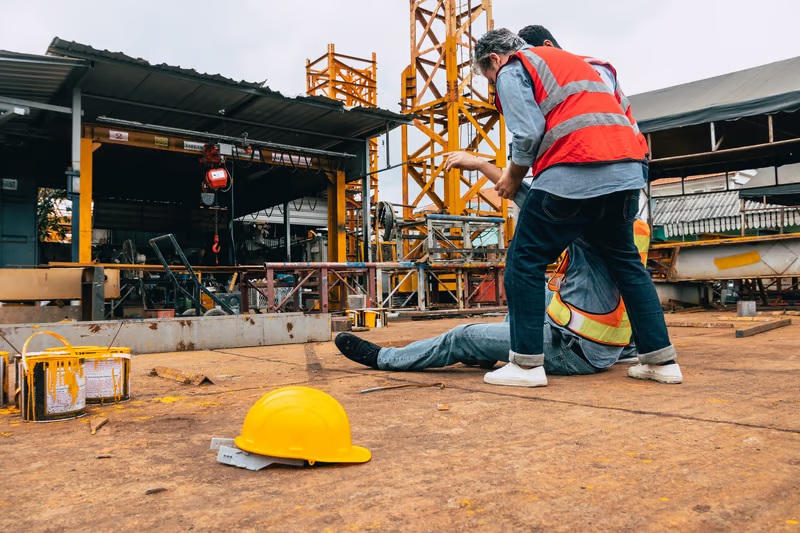
Unlike many workplace incidents, construction accidents often involve multiple parties:
-
Property owners
-
General contractors
-
Subcontractors
-
Equipment manufacturers
-
Architects and engineers
-
Third-party vendors
Because of this complexity, understanding construction site injury liability requires a careful legal analysis of contracts, safety obligations, and regulatory compliance.
Why Construction Sites Are So Dangerous
Construction remains one of the most hazardous industries according to the Occupational Safety and Health Administration. OSHA identifies the “Fatal Four” causes of death on construction sites:
-
Falls
-
Struck-by incidents
-
Electrocutions
-
Caught-in/between accidents
These incidents account for the majority of fatal injuries. When they occur, the issue of construction site injury liability immediately arises.
Employers and contractors are required to maintain safe working environments. Failure to comply with OSHA standards often plays a major role in establishing construction site injury liability.
Common Types of Construction Accidents
Understanding the nature of the accident is the first step in evaluating
1. Falls from Heights
Scaffolding, ladders, and roofs present serious risks. Missing guardrails or defective harnesses may trigger construction site injury liability claims.
2. Falling Objects
Tools, debris, and materials dropped from elevated levels can cause severe head trauma or death.
3. Machinery Accidents
Cranes, forklifts, and bulldozers can malfunction or be improperly operated.
4. Electrical Injuries
Exposed wiring or improper grounding may result in electrocution.
5. Structural Collapses
Improper engineering or rushed construction can lead to catastrophic failures.
Each of these accidents can involve different layers depending on who controlled the site and equipment.
Who Can Be Held Responsible?
Determining construction site injury liability requires identifying all potentially responsible parties.
Property Owners
Property owners may be liable if they knew about unsafe conditions and failed to correct them.
General Contractors
General contractors oversee the entire project. If safety standards were ignored, construction site injury liability may fall on them.
Subcontractors
Subcontractors responsible for specific tasks may be liable if their negligence caused the accident.
Equipment Manufacturers
If defective machinery contributed to the injury, product liability laws may apply.
Third Parties
Delivery drivers or independent vendors may also share responsibility.
Construction projects are layered operations. Therefore, construction site injury liability often involves multiple defendants.
Workers’ Compensation vs. Third-Party Claims
Most injured construction workers qualify for workers’ compensation benefits. However, workers’ compensation typically:
-
Does not cover pain and suffering
-
Limits recovery amounts
-
Protects employers from lawsuits
This is where third-party construction site injury liability claims become crucial.
If someone other than the employer contributed to the accident, the injured worker may pursue additional compensation through a personal injury lawsuit.
For example:
-
A defective crane manufactured by a third party
-
A negligent subcontractor from another company
-
Unsafe property conditions created by the landowner
These scenarios create additional construction site injury liability opportunities beyond workers’ compensation.
Proving Construction Site Injury Liability
To establish , the injured party must prove:
-
A duty of care existed
-
The responsible party breached that duty
-
The breach caused the injury
-
Damages resulted
Evidence often includes:
-
OSHA violation reports
-
Witness statements
-
Surveillance footage
-
Site inspection records
-
Safety manuals and contracts
Strong documentation is critical in any construction site injury liability case.
OSHA Violations and Liability
OSHA regulations set minimum safety standards. When companies fail to comply, those violations can support claims of construction site injury liability.
Common OSHA violations include:
-
Lack of fall protection
-
Inadequate training
-
Improper scaffolding
-
Failure to provide protective equipment
Although OSHA does not automatically determine fault, violations strongly influence construction site injury liability determinations.
Types of Compensation Available
If proven, victims may recover compensation for:
-
Medical expenses
-
Rehabilitation costs
-
Lost wages
-
Future earning capacity
-
Pain and suffering
-
Emotional distress
-
Permanent disability
-
Wrongful death damages
The value of a construction site injury liability claim depends on injury severity and long-term consequences.
Wrongful Death and Construction Site Injury Liability
When a fatal accident occurs, surviving family members may pursue a wrongful death claim. In these tragic situations, construction site injury liability extends beyond immediate medical costs.
Families may recover:
-
Funeral expenses
-
Loss of financial support
-
Loss of companionship
-
Emotional suffering
Construction site injury liability in fatal cases often involves complex investigations and expert testimony.
Comparative Negligence in Construction Cases
Some states apply comparative negligence rules. This means that even if an injured worker shares partial responsibility, they may still recover compensation.
For example, if a worker is found 20% at fault, their compensation may be reduced by 20%. However, construction site injury liability may still primarily rest with contractors or site managers.
The Role of Safety Training
Proper training reduces accidents and impacts construction site injury liability. Employers must:
-
Provide hazard awareness training
-
Ensure equipment certification
-
Conduct regular safety inspections
-
Enforce protective gear policies
Failure to implement these measures can increase exposure to construction site injury liability claims.
Time Limits for Filing a Claim
Every state has a statute of limitations for filing construction accident claims. Missing this deadline can prevent recovery entirely.
Because construction site injury liability cases require detailed investigation, early legal consultation is critical.
Independent Contractors and Liability
Construction projects often rely on independent contractors. Determining employment classification significantly impacts construction site injury liability.
If a worker is misclassified, additional legal options may exist beyond workers’ compensation.
How Insurance Impacts Construction Site Injury Liability
Most construction companies carry general liability insurance. However, insurance companies often attempt to minimize payouts.
When construction site injury liability is disputed, insurers may argue:
-
The worker was at fault
-
The injury was pre-existing
-
Safety rules were ignored
Proper legal representation ensures insurance carriers honor valid claims.
Steps to Take After a Construction Site Injury
To protect your rights related to construction site injury liability, take these steps:
-
Seek immediate medical attention
-
Report the injury to supervisors
-
Document the scene with photos
-
Collect witness information
-
Preserve equipment involved
-
Consult an attorney
These actions strengthen any potential construction site injury liability case.
Long-Term Impact of Construction Injuries
Construction injuries can cause:
-
Chronic pain
-
Traumatic brain injuries
-
Spinal cord damage
-
Amputations
-
Permanent disability
The long-term consequences significantly affect construction site injury liability valuations.
Why Legal Guidance Matters
Construction cases involve contracts, insurance policies, and regulatory compliance. Navigating construction site injury liability without legal assistance can jeopardize your recovery.
Experienced legal counsel can:
-
Identify all liable parties
-
Analyze contracts
-
Review OSHA records
-
Negotiate settlements
-
Litigate in court if necessary
Preventing Construction Site Injury Liability
Companies can reduce exposure to construction site injury liability by:
-
Conducting routine safety audits
-
Enforcing PPE compliance
-
Implementing fall protection systems
-
Maintaining equipment
-
Providing continuous training
Proactive safety management benefits both workers and employers.
Additional Insights on Construction Site Injury Liability
Multi-Employer Worksites and Shared Responsibility
Modern construction projects rarely involve a single employer. Instead, multiple contractors and subcontractors work simultaneously under layered contracts. In these situations, determining construction site injury liability becomes more complex.
Under OSHA’s multi-employer doctrine, more than one employer may be cited for the same hazardous condition. This means that:
-
The employer who created the hazard
-
The employer responsible for correcting the hazard
-
The employer controlling the worksite
-
The employer exposing workers to danger
may all share construction site injury liability.
For injured workers, this opens the possibility of pursuing compensation from several sources rather than just one company.
Construction Site Injury Liability and Contractual Agreements
Construction contracts often contain indemnification clauses. These provisions may shift financial responsibility from one contractor to another.
For example:
-
A subcontractor may agree to indemnify a general contractor.
-
A property owner may require contractors to assume liability for jobsite injuries.
While these agreements impact financial responsibility between companies, they do not eliminate a victim’s right to pursue construction site injury liability claims.
Courts examine:
-
Contract language
-
Scope of work
-
Insurance coverage
-
Control over safety conditions
to determine how construction site injury liability applies in each situation.
Construction Site Injury Liability in Scaffold Accidents
Scaffolding accidents are among the most common causes of catastrophic injuries. When scaffolds collapse or lack guardrails, serious harm often follows.
In scaffold-related cases, construction site injury liability may involve:
-
The scaffolding manufacturer (defective design)
-
The contractor who assembled the scaffold
-
The company responsible for inspection
-
The site supervisor
Improper setup, failure to secure platforms, or lack of fall protection frequently form the basis of construction site injury liability claims.
Crane Accidents and Construction Site Injury Liability
Cranes are essential to large-scale construction projects, but they present enormous risks when improperly maintained or operated.
Crane accidents may involve:
-
Mechanical failure
-
Operator negligence
-
Overloaded lifts
-
Poor ground support
In these cases, determining construction site injury liability requires reviewing maintenance records, operator certifications, and compliance with federal regulations.
Because crane accidents often result in severe injuries or fatalities, construction site injury liability claims involving cranes can be particularly significant.
Electrical Hazards and Liability Exposure
Electrical accidents are another major cause of workplace injury. Exposed wiring, improper grounding, and unsafe temporary power setups frequently contribute to serious injuries.
When electrocution occurs, construction site injury liability may rest with:
-
Electrical subcontractors
-
Site supervisors
-
General contractors
-
Equipment manufacturers
Failure to follow safety standards dramatically increases exposure to construction site injury liability claims.
Construction Site Injury Liability and Equipment Defects
Not all construction accidents result from unsafe behavior. Sometimes the equipment itself is defective.
Examples include:
-
Faulty power tools
-
Defective harnesses
-
Malfunctioning lifts
-
Unsafe ladders
When defective products cause injury, construction site injury liability may shift toward the manufacturer or distributor under product liability law.
These claims often require engineering experts to demonstrate that a design or manufacturing flaw contributed to the accident.
Third-Party Pedestrian Injuries
Construction site injury liability does not apply only to workers. Pedestrians and bystanders may also be injured by falling debris, unsafe barriers, or construction vehicle accidents.
If a member of the public is harmed, construction site injury liability may involve:
-
The property owner
-
The contractor
-
The project developer
Public safety measures such as barricades, warning signs, and netting play a major role in limiting liability exposure.
Government Projects and Construction Site Injury Liability
When construction involves public infrastructure, government entities may be involved. Claims against government agencies follow special procedures and shorter filing deadlines.
In government-related cases, construction site injury liability may require:
-
Filing a notice of claim
-
Meeting strict time limits
-
Complying with sovereign immunity laws
Because these claims are procedurally complex, understanding construction site injury liability rules is especially important.
Construction Site Injury Liability and Safety Audits
Routine safety audits are critical in preventing injuries. Companies that fail to conduct inspections often face increased exposure to construction site injury liability.
Safety audits typically include:
-
Equipment checks
-
Fall protection inspections
-
Hazard assessments
-
Employee safety meetings
Documentation from these audits may later serve as evidence in construction site injury liability claims.
Frequently Asked Questions
What is construction site injury liability?
Construction site injury liability refers to legal responsibility for injuries sustained at a construction site. It determines who must compensate the injured worker.
Can I sue if I receive workers’ compensation?
Yes. While workers’ compensation limits lawsuits against employers, you may file a third-party construction site injury liability claim against negligent contractors or manufacturers.
Who is usually responsible for construction accidents?
Responsibility varies. Construction site injury liability may involve property owners, general contractors, subcontractors, or equipment manufacturers.
How long do I have to file a claim?
The statute of limitations varies by state. Consulting an attorney promptly ensures your construction site injury liability claim is filed on time.
What damages can I recover?
You may recover medical costs, lost wages, pain and suffering, and future damages if construction site injury liability is established.
Construction site injury liability refers to legal responsibility for injuries sustained at a construction site. It determines who must compensate the injured worker.
Yes. While workers’ compensation limits lawsuits against employers, you may file a third-party construction site injury liability claim against negligent contractors or manufacturers.
Responsibility varies. Construction site injury liability may involve property owners, general contractors, subcontractors, or equipment manufacturers.
The statute of limitations varies by state. Consulting an attorney promptly ensures your construction site injury liability claim is filed on time.
You may recover medical costs, lost wages, pain and suffering, and future damages if construction site injury liability is established.